IEC Harmonic and Flicker Compliance Testing for Appliances and Office Equipment
1. Introduction
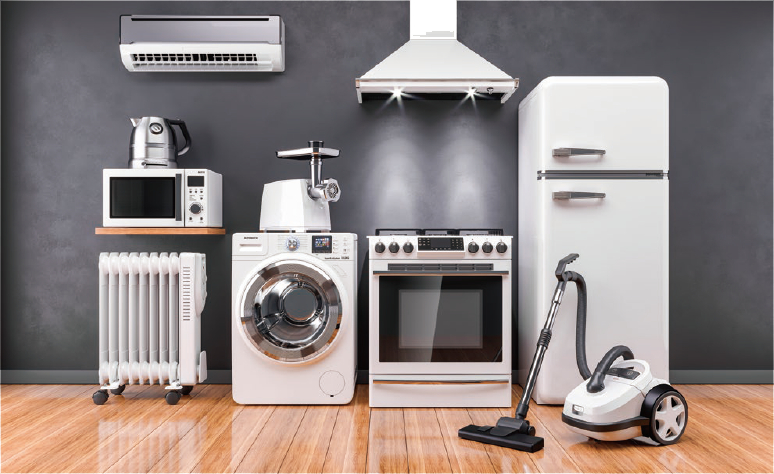
Recently, with the widespread use of devices equipped with high-efficiency switching power supplies, such as air conditioners, home appliances, lighting equipment, PCs, monitors, and multifunction peripherals (MFPs), distortion occurs in the current waveform flowing in the power systems. This occasionally causes failures in high-voltage systems. To prevent this from happening, strict regulations on harmonic currents are imposed on electrical and electronic equipment.
Additionally, regulations concerning voltage fluctuations and flicker have been imposed to address issues such as flickering of incandescent bulbs, malfunctioning of computer-related equipment, and suppression of inrush currents in devices.
These regulations are also essential requirements for obtaining CE marking certification when exporting to Europe.
2. Challenges
These regulations are revised every few years, so to comply, manufacturers must keep up to date with the latest standards and, depending on the case, upgrade software and sometimes hardware to new versions in accordance with the effective timing of these changes.
The international standards for harmonic current are IEC61000-3-2 for equipment of 16 A or less per phase and IEC61000-3-12 for equipment of greater than 16 A but not greater than 75 A per phase. IEC61000-3-2 defines four categories (classes) of equipment subject to the harmonic current regulations and specifies the limits for harmonic levels.
In IEC61000-3-12, devices are classified into four types:
equipment other than balanced three-phase equipment, balanced three-phase equipment, balanced three-phase equipment under specified conditions, and balanced threephase equipment under other specified conditions. Limits are specified for each type.
Regarding voltage fluctuations and flicker, on the other hand, the international standards IEC61000-3-3 and IEC61000-3-11 (high-current equipment side) specify the voltage fluctuation/ flicker limits for electrical and electronic equipment that are connected to the system power supply.
3. Solutions the WT5000/ IS8000 provide
- Power measurement with world-class accuracy (related to limit values)
- Harmonic, voltage fluctuation, and flicker measurements in compliance with IEC standards
- Harmonic measurements by order and THD (Total Harmonic Distortion) calculation
- Harmonic current measurement and evaluation of highcurrent equipment ranging from over 16 A per phase up to 75 A using the CT200 custom model
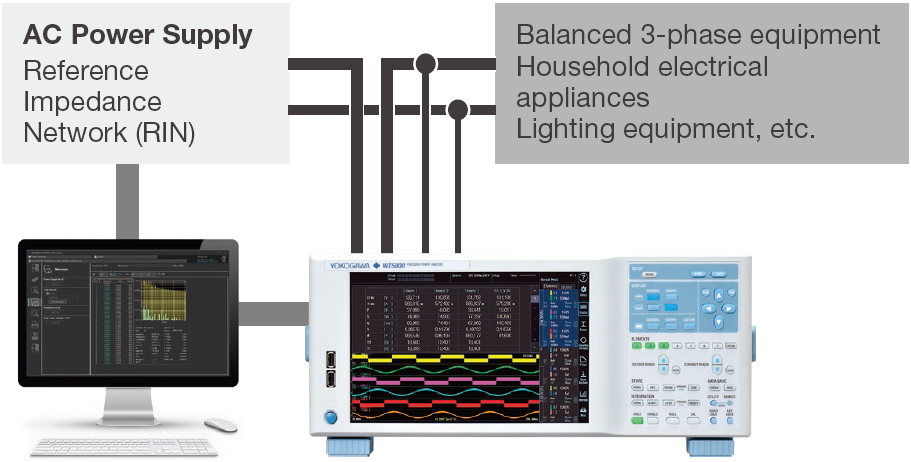
Figure 1. Harmonic, voltage fluctuation/flicker measurement system
4. Harmonic measurement and voltage fluctuation/ flicker measurement
4.1 Harmonic measurement
Harmonics refer to sine waves that have frequencies that are integer multiples of the fundamental wave, which has a commercial frequency of 50/60 Hz. Order components other than the fundamental wave are called harmonics. For example, if the fundamental wave (1st-order component) is 50 Hz, the 3rd-order component would be 150 Hz, and the 5th-order component would be 250 Hz. These harmonic components combine to form a typical distorted waveform (see Figure 2).
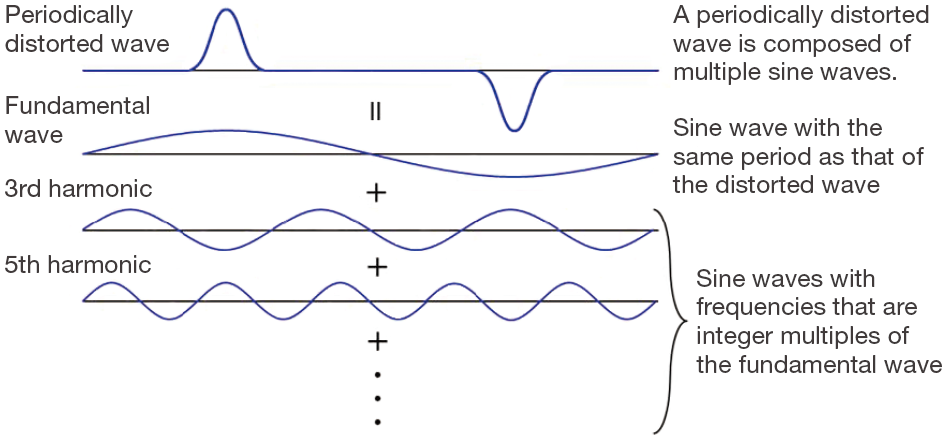
Figure 2. Principle of harmonics
In the international standards for harmonic-current regulation, equipment with a current of 16 A or less per phase is classified into classes A, B, C, and D, with limit values for harmonic currents up to the 40th harmonic defined for each class.
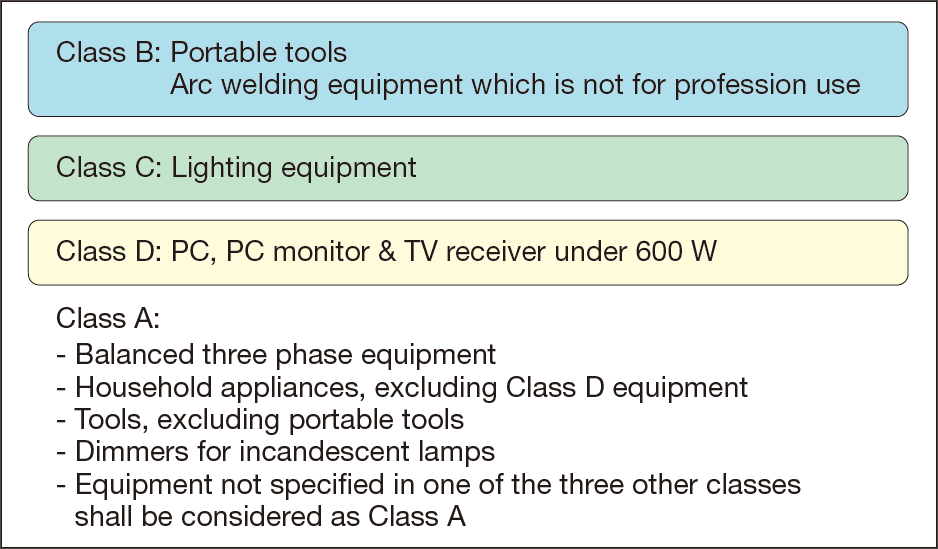
Figure 3. Classification of IEC61000-3-2
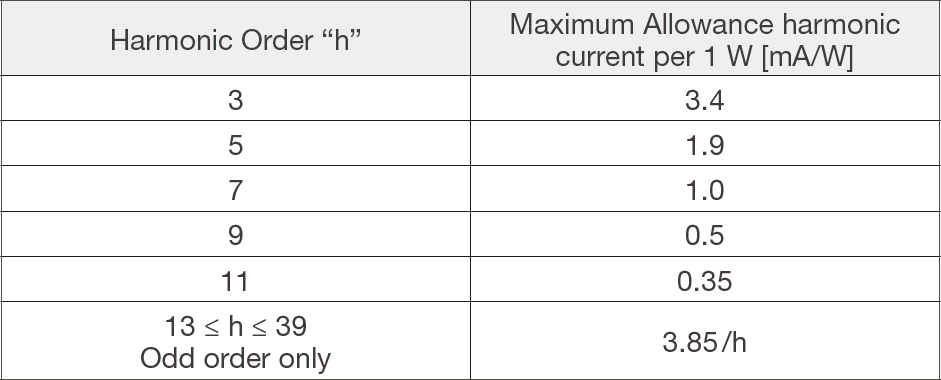
Table 1. Example of limit values: Limit values for Class D
IEC61000-3-12 defines the limits for high-current equipment, and its limit values are shown in Table 2.
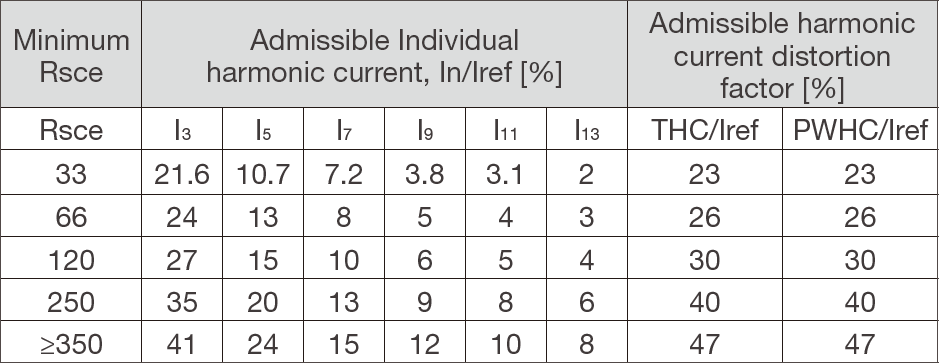
Table 2. Example of limit values in IEC61000-3-12:Limit values for equipment other than balanced three-phase equipment
4.2 Voltage fluctuation/flicker measurement
IEC61000-3-3 is an international standard that defines the limit values for voltage fluctuations and flicker for electrical and electronic equipment with a current of 16 A or less per phase.
Equipment that meets the limit values specified in this standard can be connected to the power grid without any conditions.
Table 3 shows the measurement parameters and limit values specified in IEC61000-3-3, and Figure 4 illustrates the relationship between the waveform and the measurement parameters.
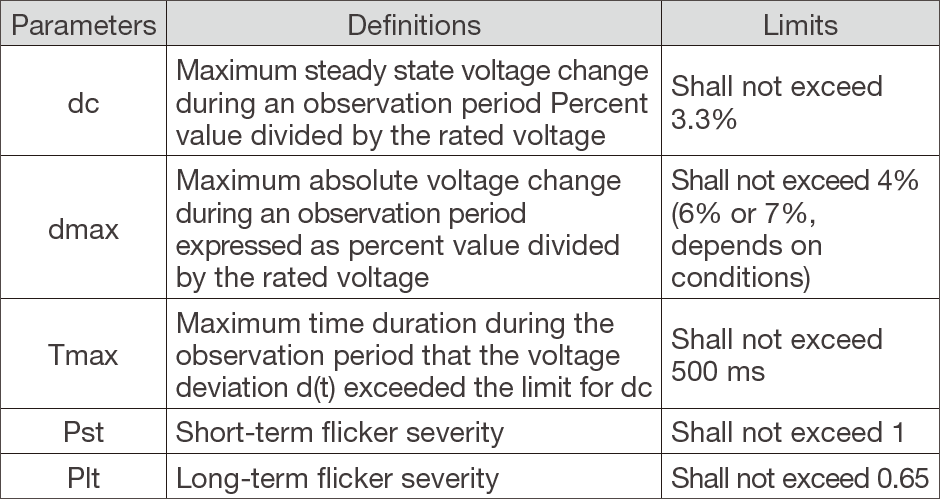
Table 3. Measurement parameters and limit values specified in IEC61000-3-3
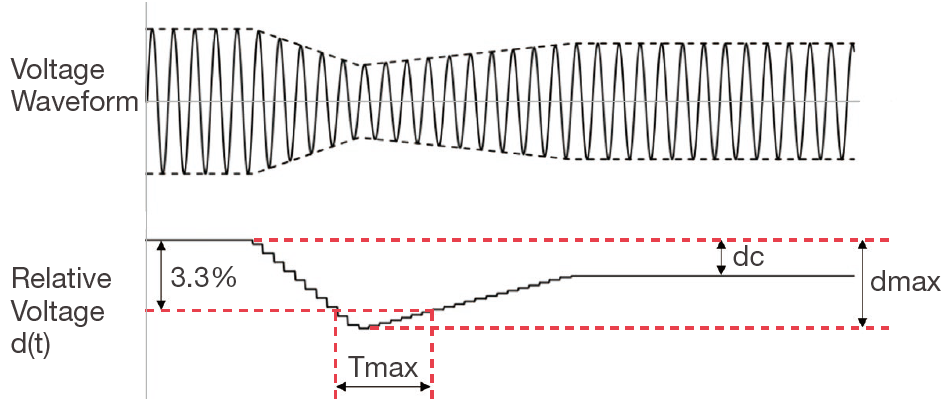
Figure 4. Waveform and measurement parameters
IEC61000-3-11 is an international standard that defines the limit values for voltage fluctuations and flicker. It applies to electrical and electronic equipment with a current exceeding 16 A and up to 75 A per phase, as well as to equipment with a current of 16 A or less that does not meet the limit values specified in IEC61000-3-3. The limit values in this standard are the same as those in IEC61000-3-3, as shown in Table 4.
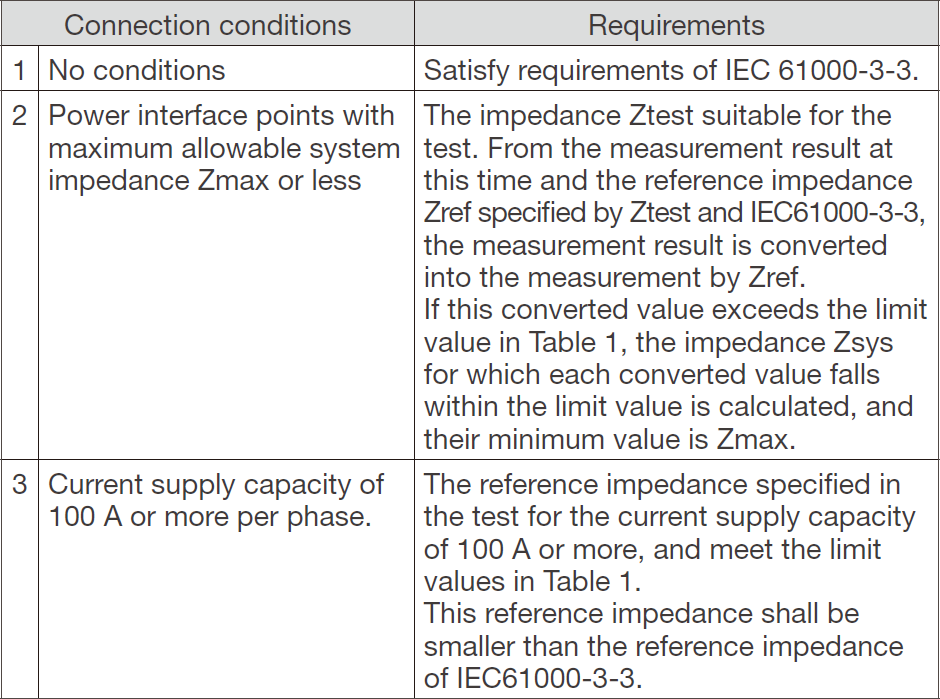
Table 4. Connection conditions and requirements of IEC61000-3-11
4.3 Measurement including interharmonics between 2 kHz and 9 kHz
In addition to the conventional harmonic measurement from 50 Hz to 2.5 kHz, the WT5000 has made it possible to support harmonic measurement from 2 kHz to 9 kHz. As a result, it can measure harmonics from 50 Hz to 10 kHz. Accordingly, the maximum measurable order has been increased to the 200th order (50 Hz × 200th order = 10 kHz), from the 50th order (50 Hz × 50th order = 2.5 kHz), and the sampling frequency for harmonic measurement has been increased to 32,768 sample points per window (fundamental wave 10 cycles).
For harmonics between 2 kHz and 9 kHz, there are additional regulatory requirements outside of the IEC international standards, and the grouping of these harmonics differs in some cases from others. Figure 5 presents the details of the grouping. The grouping OFF and the harmonic subgroup are the same as in other cases, but the harmonic group is slightly different. In the example shown in Figure 5, the grouping is represented at 2100 Hz, where the 2000 Hz component is excluded, and the intermediate harmonics beyond this are included, with the 2200 Hz component also counted as part of the 2100 Hz group.
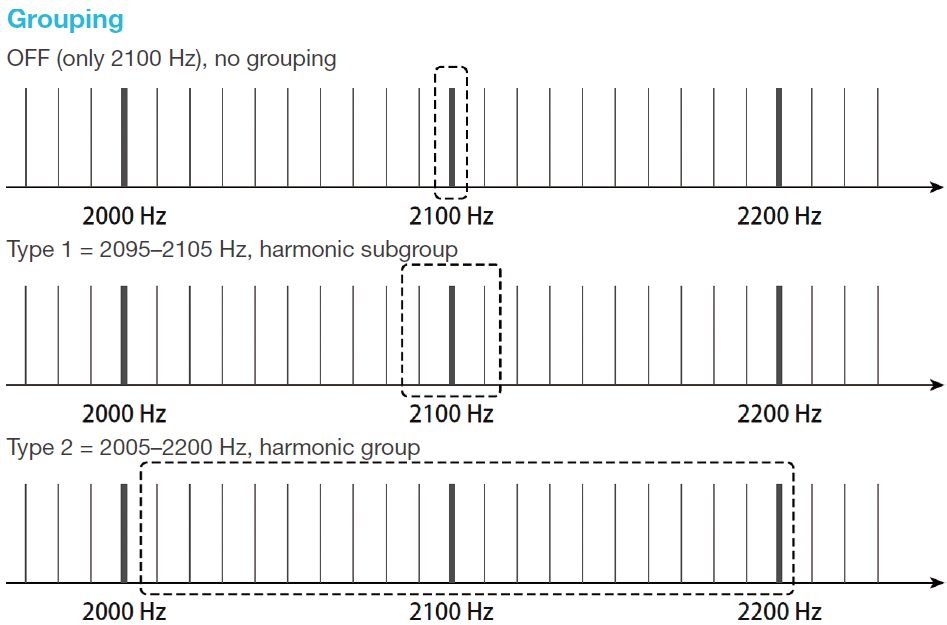
Figure 5. Grouping of harmonics between 2 kHz and 9 kHz
(example of 2100 Hz)
Regarding interharmonics, there are two groups: the interharmonic center group and the interharmonic center subgroup. These are shown in Figures 6 and 7.
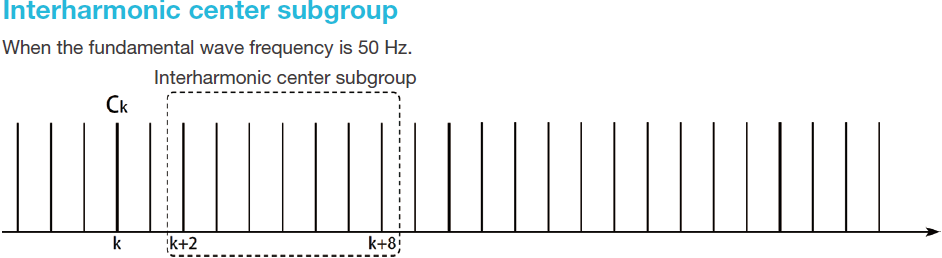
Figure 6. Interharmonic center group (in the case of 50 Hz)
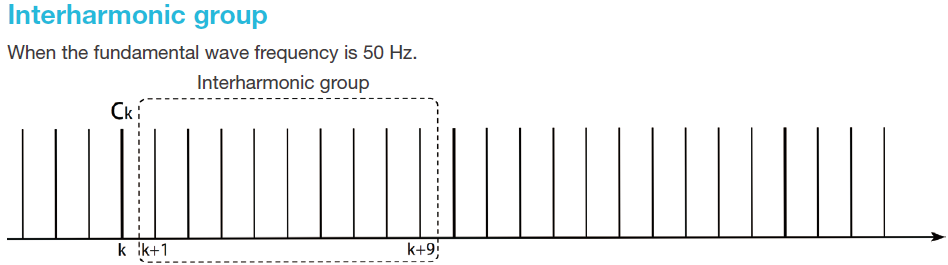
Figure 7. Interharmonics center subgroup (in the case of 50 Hz)
The following is an example of the measurement of harmonics/interharmonics between 2 kHz and 9 kHz, for which the grouping was described above, shown on the screen of a PC monitor using the IS8000.
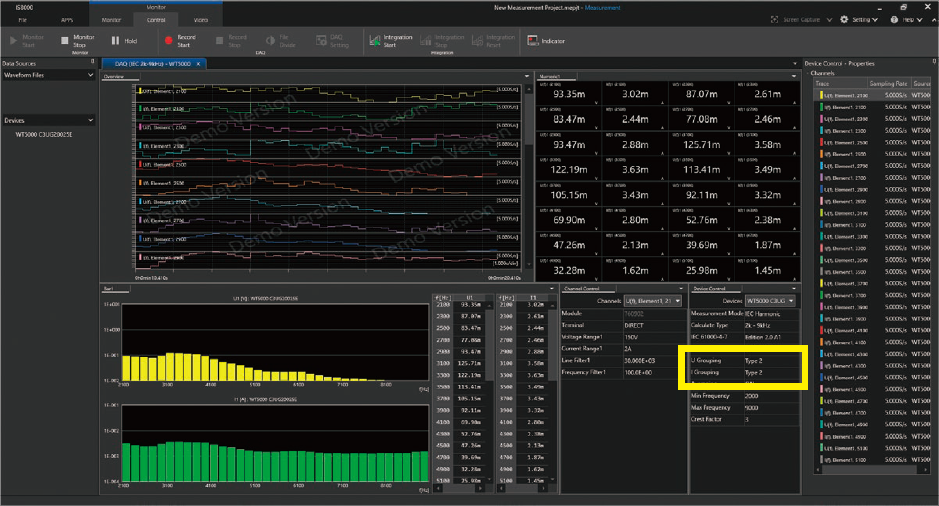
Figure 8. Measurement of harmonics between 2 kHz and 9 kHz (Type 2)
4.4 Support for high-current equipment ranging from more than 16 A per phase up to 75 A
Regarding the limit values, as described earlier, the measurement system in compliance with the international standards IEC61000-3-3 and IEC61000-3-11 for high-current equipment with current values exceeding 16 A per phase up to 75 A is introduced below. Since the WT5000’s current direct-input element 760901 (rated for 30 A) cannot measure up to 75 A, a special model combining the CT200 and an external shunt resistor is used to measure accurately in the frequency range up to 2.5 kHz. An overview of this system is shown in Figures 9 and 10.
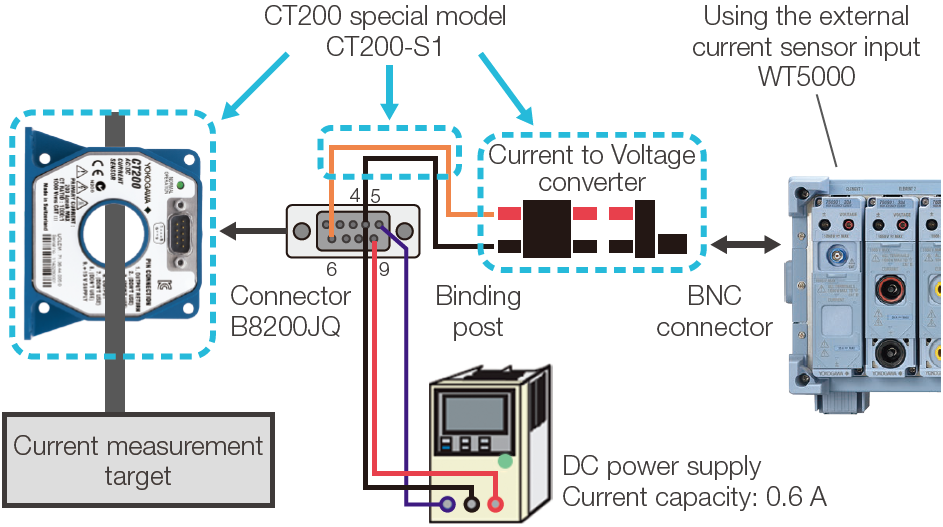
Figure 9. Overview of harmonic measurement for high current using the CT200
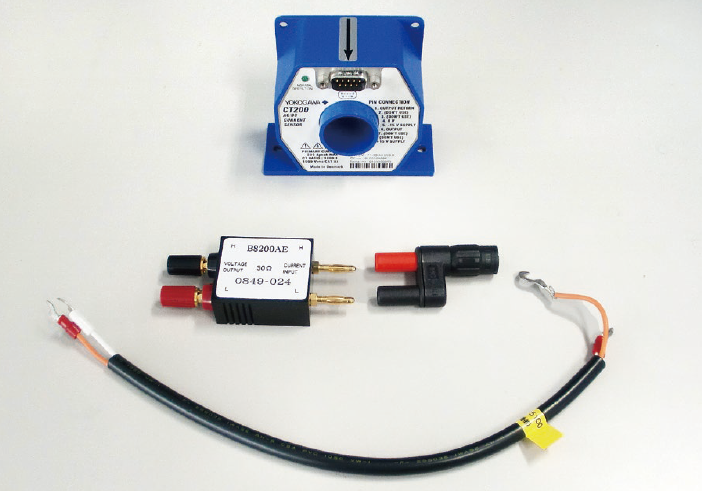
Figure 10. CT200 special model
The performance of the CT200 AC/DC current sensor on its own is guaranteed for accuracy only for DC and 50/60 Hz. However, by combining it with external shunt resistors, you can now specify the accuracy of current measurements up to 2.5 kHz. This enables harmonic current measurement in compliance with IEC61000-3-11.
5. Compliance with the latest standards
Not limited to the international standard IEC61000, standards are constantly updated to keep up with technological trends.
This is because new products and technologies emerge due to technological innovations, and regulations are needed in areas and fields that were not sufficiently considered before. The harmonics between 2 kHz and 9 kHz, as explained in Section 4.3, are an example of this.
To keep up with such updates in standards, the IS8000 system, in particular, is constantly being upgraded to stay compliant. Table 5 shows the update history of the IS8000 regarding harmonic and voltage fluctuation/flicker measurement.
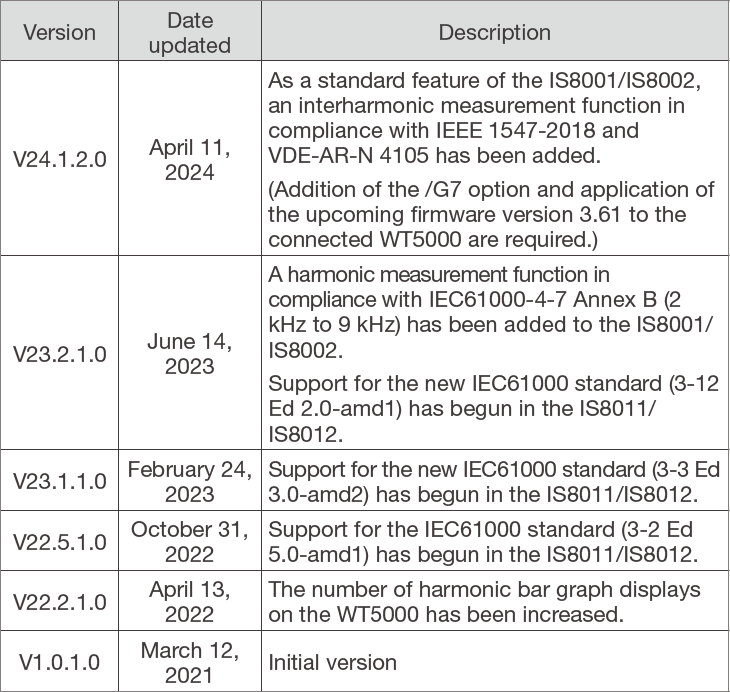
Table 5. Update history of the IS8000 regarding harmonic and voltage fluctuation/flicker measurement
In order to comply with the international standard IEC555-2, which was established in 1982, Yokogawa developed software using measurement data from the WT2000 power meter, which was considered high-precision at the time, and introduced it to the market. Currently, the standard number is IEC61000-3-2. To continue providing harmonic and voltage fluctuation/flicker measurement and evaluation systems that comply with IEC international standards, we will incorporate not only IEC standards but also other various regulatory requirements, offering solutions tailored to our customers’ needs.
Related Industries
Related Products & Solutions

IS8000 Integrated Software Platform
- Data acquisition, control, and analysis
- IEEE1588 & High speed camera synchronization
- Serial bus, FFT, and harmonic/flicker analysis
- Compatible with WT/DL/DLM, USB/Ethernet/MODBUS

WT5000 - Highest Precision
- Up to 7 wattmeters / Modular
- 0.01% of rdg + 0.02% of rng
- DC to 1MHz
- 4 motor inputs
- Harmonics to 500th order
- IEC 61000 compliance testing