Maximizing Accuracy, Stability, and Productivity in Blood Pressure Monitor Test Systems
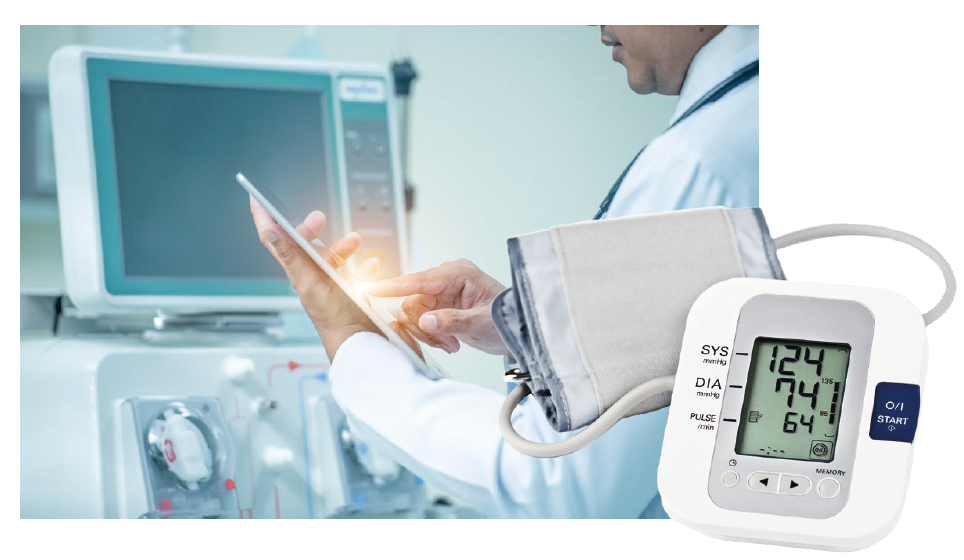
Blood pressure monitors, wearable devices, bedside monitors, and other related devices
1. Introduction
The global market for blood pressure monitors is growing due to rising awareness of cardiovascular health. To ensure safety and reliability, devices must undergo tests such as accuracy, exhaust, and leak evaluations in accordance with standards such as IEC 80601-2-30.
Because pressure measurement and control directly impact patient safety, these tests require high precision. However, many are still performed manually or rely on legacy equipment, limiting productivity.
To overcome this, manufacturers are increasingly adopting automated test systems that improve efficiency while maintaining quality.
2. Challenges
Accurate pressure measurement and control are essential in blood pressure monitor test systems. Measurement accuracy can be affected by environmental factors such as temperature, requiring careful handling. Proper selection of a pressure controller is also critical to ensure stability, repeatability, and responsiveness.
To reduce test time, some systems use multiple regulators and valve switching, but this can introduce additional errors and reduce repeatability. Many of these error factors are not clearly specified and are often managed through operator experience. When automation is introduced, these hidden issues can become evident.
Key considerations for system implementation are outlined below.
Hysteresis and Temperature Effects
Pressure sensors exhibit hysteresis, where readings differ between increasing and decreasing pressure, causing measurement errors—especially in repeated pressurization cycles. Temperature changes also affect accuracy due to thermal expansion of internal components.
Pressure Control Stability
Pressure control involves a trade-off between speed and stability. Rapid pressurization can cause overshoot and fluctuations, which are unacceptable in some tests. Achieving the right balance becomes more complex when additional components like regulators are used.
Durability and Long‑Term Stability
Instruments require regular maintenance to ensure accuracy and reliability. Poor stability can degrade test quality and reduce uptime. High-speed solenoid-based controllers are more failure-prone, and in automated systems, early signs of issues are harder to detect.
3. Solution with MT300/MC300
Yokogawa’s MT300 Digital Manometer and MC300 Pressure Controller improve both pressure control and measurement reliability in blood pressure monitor test systems.
High Measurement Accuracy and Reliability
The MT300 and MC300 both use silicon resonant sensors which provide excellent repeatability, minimal hysteresis and temperature effects, thereby enabling stable and accurate measurement. Models are available with flexible pressure ranges, reducing error and improving test reliability.
High‑Quality Pressure Control
The MC300 uses a needle valve (vs. solenoid valve) with precise positioning, delivering fast response with minimal overshoot and noise. Its high responsiveness eliminates the need for external regulators, even in multi-point testing. Output accuracy is specified at the output port*1, ensuring reliable system integration. It also supports seamless pressure generation, including slight negative pressure to accommodate proper blood pressure monitor testing.
*1 Many competing products specify accuracy based on the internal pressure‑sensor reading.
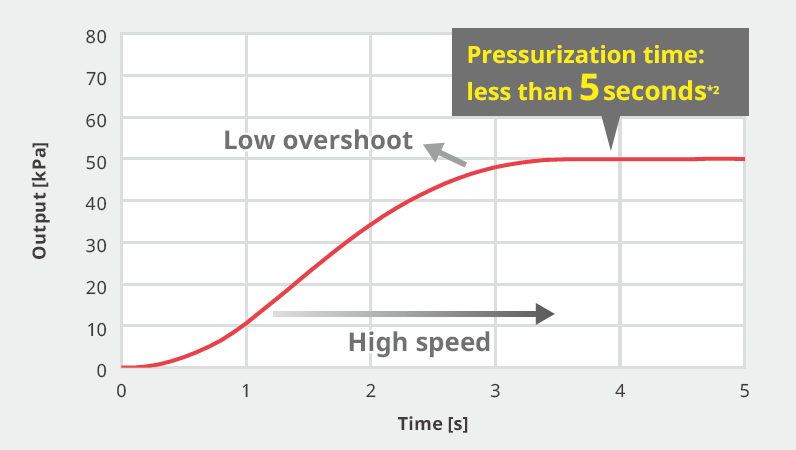
Figure 1. Example of a Sweep Output from Negative to Positive Pressure
*2 The pressurization time varies depending on the pressurization conditions and the load volume.
Excellent Durability and Long‑Term Stability
The needle valve offers greater durability than solenoid valves, while stable sensors ensure long-term reliability. This reduces downtime and makes the MT300 and MC300 well-suited for automated test systems.
4. Example of an Automated Blood Pressure Monitor Test System
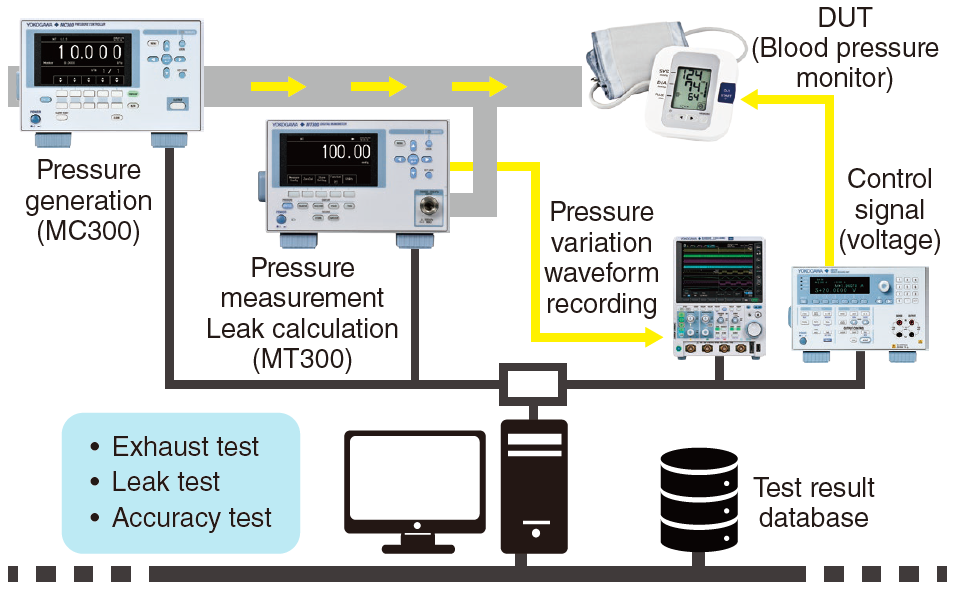
Figure 2. Example Configuration of an Automated Blood Pressure Monitor Test System
5. Main Specifications of MT300/MC300
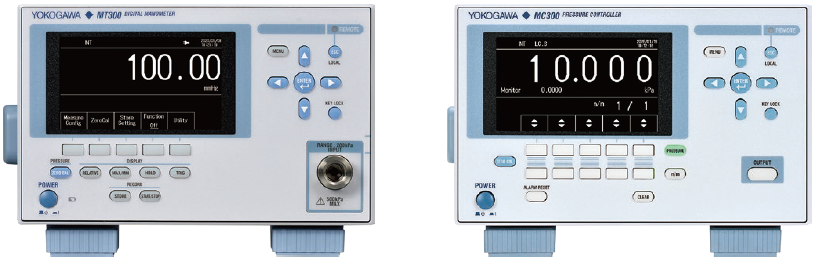
Figure 3. MT300 (left) and MC300 (right)
Digital Manometer MT300
- Gauge Pressure Ranges:
10 kPa/200 kPa/1000 kPa/3500 kPa/16 MPa/70 MPa - Measurement Relative Accuracy: ±0.008% of reading*3
*3 Accuracy depends on the model.
Pressure Controller MC300
- Gauge Pressure Ranges: 10 kPa/200 kPa
- Output Relative Accuracy: ±0.04% of full scale
- Fast response of approx. 5 seconds, low overshoot.
Related Industries
Related Products & Solutions

Digital Manometer MT300
The MT300 is a silicon-resonant pressure standard with 0.01% accuracy and 12-month stability, adopted in international metrology and trusted for both laboratory and field calibration.

Pressure Controller MC300
The MC300 Series of Pneumatic Pressure Standard provides high accuracy and excellent reliability using a proprietary silicon resonant sensor developed by Yokogawa. Our MC300 is highly accurate and supports your goal for cost-efficiencies in manufacturing.

Pressure Measurement Instruments
High-accuracy instruments and digital manometers for pressure measurement, testing, and calibration.